Broadcasters
Ranging from local news to world wide, broadcasting generally encompasses any audio or visual programming that is disseminated to a large number of radio or television receivers. Although that definition could be expanded to include web based media outlets, this career profile focuses on opportunities in radio and television news production and station management.
Announcers, producers, directors and everyone else must work together to tailor a station's programming to attract the largest possible audience, which in turn attracts advertising revenue.
Corporations
A corporation is a company and or group of people authorised to act as a single entity. Its also a corporation that is separate and distinct from its owners. The most important aspect of a corporation is a limited liability.
Organisations
A organisation is a group of people that are structured to pursue a collective goal. Mostly all organisations have a management structure that determines relationships between different activities and the members. Different responsibilities, roles and authorities are given to carry out tasks.
Independant Production Companies
A production company is responsible for the development and filming of a specific production or media broadcast. Once a final script has been produced by screen writers, the production enters into the pre production phase, most productions never reach this phase for financing or talent reasons. The production company may be directly responsible for fundraising for the production or may accomplish this through a parent company, partner and or private investor, it handles budgeting, scheduling, scripting and the supply with talent and resources, the organisation of staff, the production itself, post production, marketing and distribution.
Friday, 20 November 2015

Thursday, 19 November 2015
Interview Question Types and Structuring.
open
Open questions are where you are wanting a lengthy response with more details and depth.
closed
Closed questions are where you are getting or encouraging a simple or one word answer.
single
This is where you give the interviewee a quick simply answer which leaves it open for them to give a short reply or if they want can go and talk about it more. Similar to a closed question.
multiple
Multiple questions are where you can give different or multiple answers and could talk about it for a while and keep the conversation going.
Direct
These are directed at the interviewee usually using personal questions and personal pronouns like you and yourself.
suggestive
This implies that a more detailed answer is wanted or required and that the interviewee should elaborate. This can also be to suggest them in a direct for a reaction or for better film quality.
This is a good video that shows of allot of different question types and the interviewer "Oprah" doesnt stick to a set question type and asks all the questions she can to get better footage and to get people to open up more.
Open questions are where you are wanting a lengthy response with more details and depth.
closed
Closed questions are where you are getting or encouraging a simple or one word answer.
single
This is where you give the interviewee a quick simply answer which leaves it open for them to give a short reply or if they want can go and talk about it more. Similar to a closed question.
multiple
Multiple questions are where you can give different or multiple answers and could talk about it for a while and keep the conversation going.
Direct
These are directed at the interviewee usually using personal questions and personal pronouns like you and yourself.
suggestive
This implies that a more detailed answer is wanted or required and that the interviewee should elaborate. This can also be to suggest them in a direct for a reaction or for better film quality.
Interview structure.
Introduction
This is where you are basically introducing your program or interview, telling the audience whos going to be on and what is going to be happening. Could possibly set the layout of the interview.
Developmental questions
Asking these questions are to elaborate and develop on.
Confidence Building
Confidence building questions help open up the interviewee and makes them more relaxed. This is a great way to help if they are nervous about being on camera, if its their first time and just generally builds bonds for a more friendly feel to it.
Key Questions
These are questions that are key or relevant to the topic. These can be about the conversation or to the interviewee directly. For instance if you were interviewing a eyewitness about a shooting you would not ask them question and random stuff it would be things like what happened, did you see anything and other things like that.
Sound bites
A sound bite is a short extract from a recorded interview or speech, Chosen for its succinctness or concision. Example
Summary
This is where you shorten a passage or a write-up without changing its meaning but by using different words and sentences to make something that was once larger now shorter and easy or quicker to talk about.
Wind up
Purposes Of Interviews. (Expand)
Print

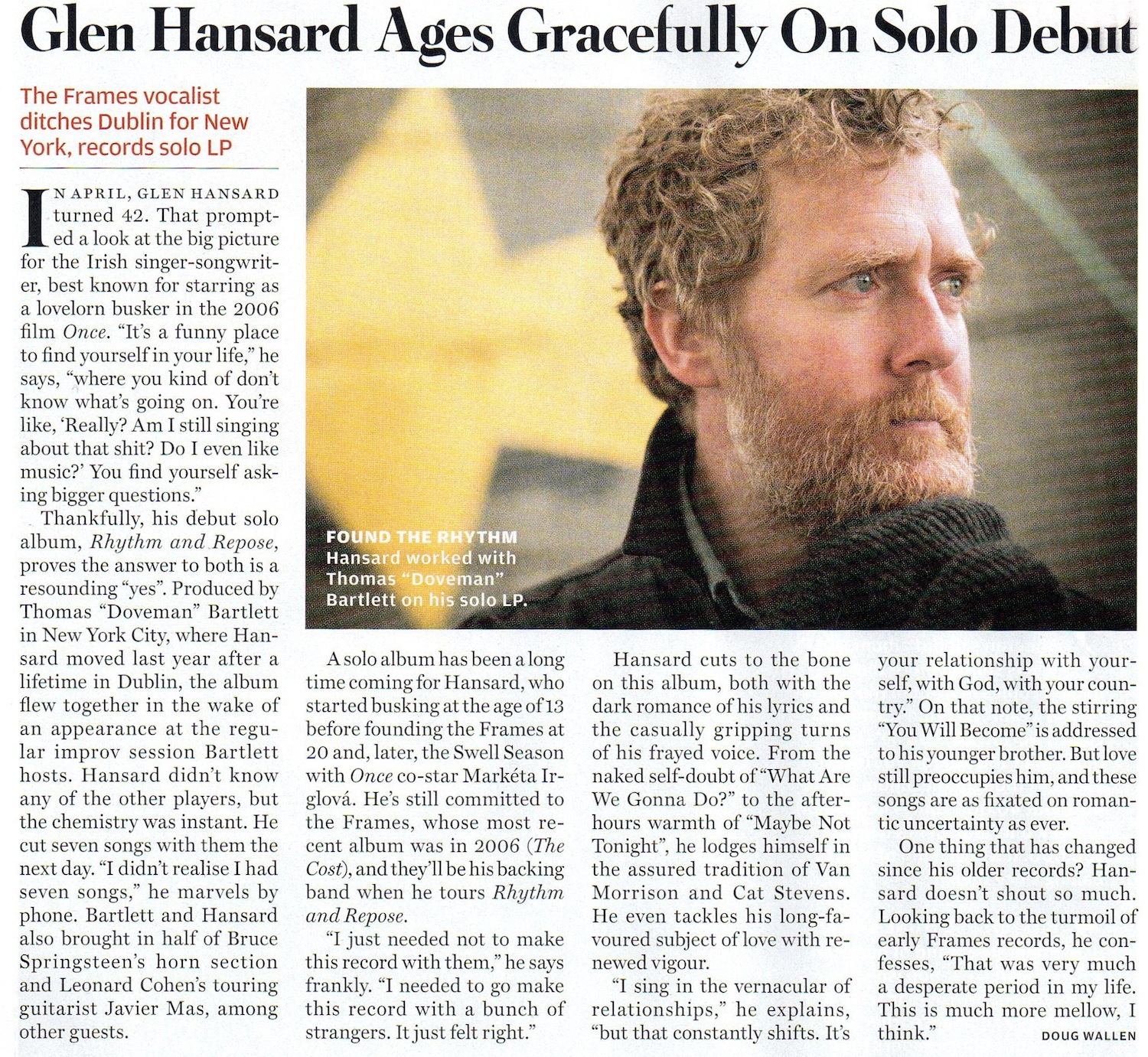
This first image is from a paper clipping with a brief and quick story and interview with quotes from the interviewee. I think the purpose of this was for people who don't really have enough time to sat down and go really into depth with the story so instead this is just easier if people have a short amount time like on lunch but are also wanting to catch up on the news, get some form of entertainment and could just be interested in the story or the interviewee/ interviewer. This particular clipping was allowing the audience for a deeper insight and also informational. I believe his statement saying ''Am I still singing about this shit'' ''I don't even like music'' supports me in saying that this was informational and gave a deeper insight for people who didn't know this.
Communication Skills.
 One of the most important things when doing interviews is how you communicate. Not with just speech but also body language. You don't want to be slumped over and acting as if you don't want to be there, sit or stand tall with a nice posture and look as if your wanting to taking part in this.
 You will certainly need good communication skills when doing interviews or any other news related stuff. As your career progresses, the importance of communication skills increases; the ability to speak, listen, question and write with clarity and conciseness are essential for most managers and leaders. Having these skills not only makes for a better interview but also makes it more enjoyable for the interviewee and for listeners or watchers. Not only is being able to speak clearly a good thing but also being a active listener as you don't want to be getting the interviewee to be repeating them self over and over again which in turns makes them frustrated, which could ruin the whole interview, wasting everybody's time and effort. Also another good tip is to always have your question or conversation ready maybe read it a few times so you can get familiar with it and not have many pauses where your thinking of what to say, keep the conversation running smooth and enjoyable keeping people calm and relaxed not making them feel rushed or nervous,
News Conventions.
News Programmes.
News programmes are made to inform watchers of the latest events that have happened or in rare cases things that they need to be aware of. These types of programmes are made of the pure intent to inform people. They deliver the truth and stick the realism of the world.
Field Reporters.
Reporters get their information in a variety of ways, including tips, press releases, sources and witnessing events. They perform research and gather information through interviews, public records, and other sources. Journalists sometimes expose themselves to danger. This can often be even worse when they are in places that respect them. Good examples of when reporters tend to be in worse situations or places than they need to be is if they are reporting on things like the wars or riots. Often they do this because it makes for a great story and earns them more credibility and respect.
Reporters have to not be biased, they must report only on the truth and what is happening.
Links To Studio.
Links to studio is a thing where different people, mainly reporters will address the studio news presenters. This is done for many reasons like if the presenters are talking about a topic they will sometimes address reporters for further information. After the reporters have finished they will finish it of linking back to the studio, a common phrase used would be something like "back to you". It isn't just reporters who link stuff back to the studio but experts are sometimes on hand to help further insight and give more knowledge. It's important to have these things as it lets the watchers understand more of whats going on and it keeps them involved. How this is done is by simply having a audio and video feed transmitted to different studios.
Mode Of Address To Viewer.
This is where everything will be presented to the viewers in order to let them know about everything that will be happening like the main headlines and event. This is a good way of keeping the viewers interested. Sticking to a set pattern the presenters will then start off with addressing the main headlines and then going into other things like the weather and sports. The mode of address has to be kept the same in order for the audience to be familiar with it. It also stops the program from being unorganised. If things are kept the same then people will know things like starting times.
Interviewing.
Interviews are a very important part in media and news. These are a very useful way to obtain information on different subject matters, events and people. Interviews are good ways to find out more information wether thats from eye witnesses or professional experts. Doing interviews allow people to find out more information they would not have known other wise.
Experts & Witnesses.
These are people that have more knowledge on something for example witness have experience or seen something that everyone else might not have or know about. Witnesses know things which makes them important about getting the truth. Audiences can also bond or have a connection with witnesses as they have experienced it themselves. Usually it's programmes like news studios that will have experts on, the reason for this is that they are experts in their field and can give more information on topics like stats and information. Experts and witnesses are good ways of making a story better especially if it is lacking with things like footage.
Report Structure.
A report structure needs a tittle page. This should briefly describe the purpose of your report. Other things could be like name, date and who ever it is for and the authors name.
A summary will also be needed, which briefly describes the aims of the report and what was found, if any action is called for, Usually a half of page worth is needed or used. Make sure that you outline the main points. Terms of reference could include explanation of who shall read the report, how it was written and why. A subtitle or paragraph will do. Contents like introduction, methods, results, discussion, conclusion, appendices and bibliography will be used as they all fall into the contents just different heading or subtitles to make it more clear.
Actuality Footage.
This is footage that supports and backs up what studio news reader are reporting on. It can be footage that was taken at the time of an event like a robbery or something else. It's used in different ways mainly to show viewers what happened and to paint an image in their heads of what it was like. It also stops the cameras from always being on the hosts the whole time. Actuality footage is a great way to back up what is being talked about. Actuality footage also serves a point to prove that the story/ topic is real.
News programmes are made to inform watchers of the latest events that have happened or in rare cases things that they need to be aware of. These types of programmes are made of the pure intent to inform people. They deliver the truth and stick the realism of the world.
Field Reporters.
Reporters get their information in a variety of ways, including tips, press releases, sources and witnessing events. They perform research and gather information through interviews, public records, and other sources. Journalists sometimes expose themselves to danger. This can often be even worse when they are in places that respect them. Good examples of when reporters tend to be in worse situations or places than they need to be is if they are reporting on things like the wars or riots. Often they do this because it makes for a great story and earns them more credibility and respect.
Reporters have to not be biased, they must report only on the truth and what is happening.
Links To Studio.
Links to studio is a thing where different people, mainly reporters will address the studio news presenters. This is done for many reasons like if the presenters are talking about a topic they will sometimes address reporters for further information. After the reporters have finished they will finish it of linking back to the studio, a common phrase used would be something like "back to you". It isn't just reporters who link stuff back to the studio but experts are sometimes on hand to help further insight and give more knowledge. It's important to have these things as it lets the watchers understand more of whats going on and it keeps them involved. How this is done is by simply having a audio and video feed transmitted to different studios.
Mode Of Address To Viewer.
This is where everything will be presented to the viewers in order to let them know about everything that will be happening like the main headlines and event. This is a good way of keeping the viewers interested. Sticking to a set pattern the presenters will then start off with addressing the main headlines and then going into other things like the weather and sports. The mode of address has to be kept the same in order for the audience to be familiar with it. It also stops the program from being unorganised. If things are kept the same then people will know things like starting times.
Interviewing.
Interviews are a very important part in media and news. These are a very useful way to obtain information on different subject matters, events and people. Interviews are good ways to find out more information wether thats from eye witnesses or professional experts. Doing interviews allow people to find out more information they would not have known other wise.
Experts & Witnesses.
These are people that have more knowledge on something for example witness have experience or seen something that everyone else might not have or know about. Witnesses know things which makes them important about getting the truth. Audiences can also bond or have a connection with witnesses as they have experienced it themselves. Usually it's programmes like news studios that will have experts on, the reason for this is that they are experts in their field and can give more information on topics like stats and information. Experts and witnesses are good ways of making a story better especially if it is lacking with things like footage.
Report Structure.
A report structure needs a tittle page. This should briefly describe the purpose of your report. Other things could be like name, date and who ever it is for and the authors name.
A summary will also be needed, which briefly describes the aims of the report and what was found, if any action is called for, Usually a half of page worth is needed or used. Make sure that you outline the main points. Terms of reference could include explanation of who shall read the report, how it was written and why. A subtitle or paragraph will do. Contents like introduction, methods, results, discussion, conclusion, appendices and bibliography will be used as they all fall into the contents just different heading or subtitles to make it more clear.
Actuality Footage.
This is footage that supports and backs up what studio news reader are reporting on. It can be footage that was taken at the time of an event like a robbery or something else. It's used in different ways mainly to show viewers what happened and to paint an image in their heads of what it was like. It also stops the cameras from always being on the hosts the whole time. Actuality footage is a great way to back up what is being talked about. Actuality footage also serves a point to prove that the story/ topic is real.
Tuesday, 3 November 2015
Role Of Writers Throughout Production.
Pre-Production
This phase of the project is where all the planning and developing takes place before the camera films. This planning phase sets the overall vision of the project and that can take any amount of time from minuets up to days. Pre production also includes planning out the locations to film and people to cast. At this point story boards will be used a lot and they can help smooth out the process for when its time for editing this is also really help full if there are multiple people working on the project.
Script Editing
Script editing or more commonly known as a script editor is a member of the production team of scripted television programmes, usually dramas and comedies. The script editor has many responsibilities including finding new script writers if needed, series ideas with writers and developing storylines. Also ensuring that scripts are suitable for production. Script editors usually work up through development or come from similarly creative editorial roles in other media such as theatre. This is also a frequent step in the road towards producing. Feedback for the writer will be overseen by the script editor, building up a relationship to help them judge how best to provide notes on the script and which areas to leave alone when they suspect the writer will iron them out independently over a process of drafts.
Director/ Producer involvement
A film producer fills a variety of roles depending upon the type of producer. They plan and coordinate various aspects of film production, such as selecting scripts, coordination writings, directing, editing and arranging financing. The producer has to find promising material during the discovery stage. A screenwriter is then found if the film is supposed to be based on a original script.
Shooting Script Production
When a screenplay is approved for production, the scenes are assigned numbers which are included in the script alongside the scene headers. These numbers give a convenient way for the different production departments to reference individual scenes.
After a shooting script has been widely circulated, page numbers are locked and any revisions are distributed on revision pages.
If the assistant director believes that there are more changed pages than are worth swapping out, the script coordinator may issue an entirely fresh script in the appropriate revision colour. In some cases before the start of principal photography a entirely new "white draft" will be distributed in lieu of coloured revision pages.
Page Lock Down/Adjustment During Shooting Stage
During this stage there will be no more rewrites or edits, the script will be published and handed to the departments. If in some cases the any scenes do need to be rewritten and changed, locking the pages allows this to be easily tracked, so it keeps the revised and unrevised pages separate which will show the difference between the original script and the changes.
This phase of the project is where all the planning and developing takes place before the camera films. This planning phase sets the overall vision of the project and that can take any amount of time from minuets up to days. Pre production also includes planning out the locations to film and people to cast. At this point story boards will be used a lot and they can help smooth out the process for when its time for editing this is also really help full if there are multiple people working on the project.
Script Editing
Script editing or more commonly known as a script editor is a member of the production team of scripted television programmes, usually dramas and comedies. The script editor has many responsibilities including finding new script writers if needed, series ideas with writers and developing storylines. Also ensuring that scripts are suitable for production. Script editors usually work up through development or come from similarly creative editorial roles in other media such as theatre. This is also a frequent step in the road towards producing. Feedback for the writer will be overseen by the script editor, building up a relationship to help them judge how best to provide notes on the script and which areas to leave alone when they suspect the writer will iron them out independently over a process of drafts.
Director/ Producer involvement
A film producer fills a variety of roles depending upon the type of producer. They plan and coordinate various aspects of film production, such as selecting scripts, coordination writings, directing, editing and arranging financing. The producer has to find promising material during the discovery stage. A screenwriter is then found if the film is supposed to be based on a original script.
Shooting Script Production
When a screenplay is approved for production, the scenes are assigned numbers which are included in the script alongside the scene headers. These numbers give a convenient way for the different production departments to reference individual scenes.
After a shooting script has been widely circulated, page numbers are locked and any revisions are distributed on revision pages.
If the assistant director believes that there are more changed pages than are worth swapping out, the script coordinator may issue an entirely fresh script in the appropriate revision colour. In some cases before the start of principal photography a entirely new "white draft" will be distributed in lieu of coloured revision pages.
Page Lock Down/Adjustment During Shooting Stage
During this stage there will be no more rewrites or edits, the script will be published and handed to the departments. If in some cases the any scenes do need to be rewritten and changed, locking the pages allows this to be easily tracked, so it keeps the revised and unrevised pages separate which will show the difference between the original script and the changes.
Documentary Conventions.
Voice over
A voice over will usually be someone talking over a video, this is usually done with narration. Having a voice over helps with giving viewers more knowledge on what they are watching for example in nature programs someone will usually be narrating on the animals and their behaviour and what is happening. Or it can be just to give their own opinion if its an influential show.
Realism
Actuality footage is used to create a sense of realism. Real is footage of events that have been recorded by cameras. This is most common with things like cctv cameras, mobile phone devices and similar things like that. Basically the things that are shown to viewers are things that haven't been changed, edited or set up, good examples of these types of videos are things like disaster events like earthquakes and robberies.
Archive Footage/Stills
This used to help show or broaden the video more. If the video is referring to something or footage of another sort is needed then things like footage and screen shots will be taken from somewhere else if the film maker cannot get the footage them selfs or in rarer cases things that are not filmed by camera. Another reason of doing this is that it keeps the film creator from having to film something if they can just get the same footage from another place.
Interviews With People And Experts
Interviews with people and experts are used in different ways. The most common place to see a interview would be on the news, this is done because it helps get further information on the subject/ topic. News stations and interviewees will be interviewing people like eye witnesses to get a personal opinion or word on what actually happened. Experts can also be interviewed to get a professional insight and bring authenticity. The other common way an interview would be seen would be if someone was promoting something like a new film or book. When someone is promoting something it benefit both party's because the interviewee gets their products advertised but also the interviewer also gets more views because people want come to see the different interviewees.
Expository
This type of documentary is where they speak directly to the viewer, often in the form of a authoritative commentary employing voice over or titles. Proposing a strong argument of point of view. Images are often not paramount, they exist to advance the argument. These types of documentary's should be rhetorical, and try to persuade viewers often goes by the voice of god type of thing. Images are insistently pressed upon viewers to read in a certain fashion.
Observational
Observational documentaries and programmes is where there is little to none interaction to things on film. There is often hidden cameras so the subjects are not aware of the fact that they are being filmed. Nature shows are common at being observational all as they are not really wanting to interact with animals or disturb them but to simply film them as they regular be. There are also documentary shows that use this style like "Lift". Lift is a short film that has a guy in a elevator filming people he does not say anything or interact with people in any way, he is simply there to film them and see how they react. The point of these thing is to get a different prospective on things and see things in their natural form which cannot be done sometimes if people know they are being filmed.
Interactive
Interactive documentary's lets the viewers take part and join in. These styles usually have more than one media form. This could be anything from interactive screens, buttons, pictures, animations and text.
Reflexive
Reflexive documentary's are similar to an interview as the film maker or narrator will acknowledge the people they are filming. This is done because it allows the creator to make the audience more aware of things like problems in production. These types are documentary's are not as common as other one and tend to be more experimented on, trying different things. They also often tell the truth the most as they concentrate more on the realism of things and often show footage in the way it happened. When the film maker addresses viewers it is common that viewers opinions will be swayed to the makers intent, this can be done by showing them something and talking about it in a certain way.
A voice over will usually be someone talking over a video, this is usually done with narration. Having a voice over helps with giving viewers more knowledge on what they are watching for example in nature programs someone will usually be narrating on the animals and their behaviour and what is happening. Or it can be just to give their own opinion if its an influential show.
Realism
Actuality footage is used to create a sense of realism. Real is footage of events that have been recorded by cameras. This is most common with things like cctv cameras, mobile phone devices and similar things like that. Basically the things that are shown to viewers are things that haven't been changed, edited or set up, good examples of these types of videos are things like disaster events like earthquakes and robberies.
Archive Footage/Stills
This used to help show or broaden the video more. If the video is referring to something or footage of another sort is needed then things like footage and screen shots will be taken from somewhere else if the film maker cannot get the footage them selfs or in rarer cases things that are not filmed by camera. Another reason of doing this is that it keeps the film creator from having to film something if they can just get the same footage from another place.
Interviews With People And Experts
Interviews with people and experts are used in different ways. The most common place to see a interview would be on the news, this is done because it helps get further information on the subject/ topic. News stations and interviewees will be interviewing people like eye witnesses to get a personal opinion or word on what actually happened. Experts can also be interviewed to get a professional insight and bring authenticity. The other common way an interview would be seen would be if someone was promoting something like a new film or book. When someone is promoting something it benefit both party's because the interviewee gets their products advertised but also the interviewer also gets more views because people want come to see the different interviewees.
Expository
This type of documentary is where they speak directly to the viewer, often in the form of a authoritative commentary employing voice over or titles. Proposing a strong argument of point of view. Images are often not paramount, they exist to advance the argument. These types of documentary's should be rhetorical, and try to persuade viewers often goes by the voice of god type of thing. Images are insistently pressed upon viewers to read in a certain fashion.
Observational
Observational documentaries and programmes is where there is little to none interaction to things on film. There is often hidden cameras so the subjects are not aware of the fact that they are being filmed. Nature shows are common at being observational all as they are not really wanting to interact with animals or disturb them but to simply film them as they regular be. There are also documentary shows that use this style like "Lift". Lift is a short film that has a guy in a elevator filming people he does not say anything or interact with people in any way, he is simply there to film them and see how they react. The point of these thing is to get a different prospective on things and see things in their natural form which cannot be done sometimes if people know they are being filmed.
Interactive
Interactive documentary's lets the viewers take part and join in. These styles usually have more than one media form. This could be anything from interactive screens, buttons, pictures, animations and text.
Reflexive
Reflexive documentary's are similar to an interview as the film maker or narrator will acknowledge the people they are filming. This is done because it allows the creator to make the audience more aware of things like problems in production. These types are documentary's are not as common as other one and tend to be more experimented on, trying different things. They also often tell the truth the most as they concentrate more on the realism of things and often show footage in the way it happened. When the film maker addresses viewers it is common that viewers opinions will be swayed to the makers intent, this can be done by showing them something and talking about it in a certain way.
Subscribe to:
Comments (Atom)